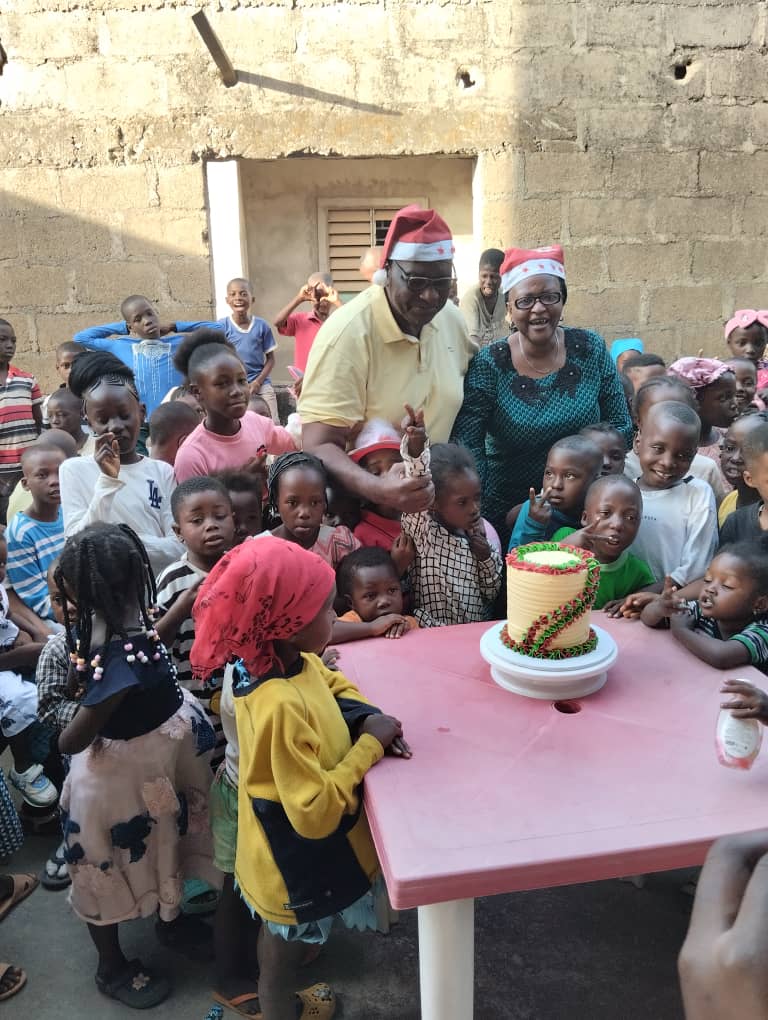
Education is widely recognized as one of the most transformative forces in society. Yet, across many communities—particularly underserved and marginalized areas—students face barriers that prevent them from accessing quality learning. Financial constraints, lack of infrastructure, social inequality, and limited educational resources are just some of the challenges that create an education gap. This gap not only impacts individual lives but also limits community growth, economic development, and social progress.
The Educational Mission Focus (EMF) of OOA Foundation exists to address these challenges. Its core mission is to bridge the education gap through targeted programs, scholarships, mentorship, community engagement, and innovative interventions. EMF approaches education not as a privilege but as a right—a critical lever for empowerment, opportunity, and societal transformation.
By combining holistic understanding of local challenges with evidence-based strategies, EMF ensures that no child is left behind. Through its initiatives, children, youth, and young adults gain access to knowledge, skills, and opportunities that allow them to fulfill their potential, contribute to society, and inspire future generations.
Understanding the Education Gap
The education gap is the difference between what students are expected to learn and what they are actually able to access or achieve. It often arises from a combination of social, economic, cultural, and infrastructural factors.
Some of the common contributors include:
- Financial Barriers: Families unable to pay school fees, purchase textbooks, or afford transportation.
- Inequitable Resource Distribution: Schools in underserved areas often lack libraries, laboratories, or qualified teachers.
- Gender Disparities: In some communities, girls are less likely to complete school due to cultural norms or early marriage.
- Geographical Limitations: Rural areas may lack access to quality schools or educational programs.
- Social Challenges: Children affected by conflict, disability, or loss of parental support face additional barriers.
Recognizing these factors is the first step toward designing effective interventions that address not just symptoms but root causes.
Effective Strategies to Bridge the Education Gap
EMF employs a combination of practical, scalable, and sustainable strategies to reduce disparities and create meaningful learning opportunities for all students.
1. Scholarships and Financial Support
Financial barriers are often the most immediate obstacle to education. EMF’s scholarship programs cover tuition fees, books, uniforms, exam costs, and other essential school-related expenses. By removing financial burdens, scholarships allow students to focus on learning rather than survival. Beyond money, scholarships also include mentorship and emotional support, ensuring holistic development.
2. Community Outreach and Sensitization
Community involvement is key to sustainable educational interventions. EMF engages parents, local leaders, and community groups to raise awareness about the value of education. This includes:
- Advocacy campaigns emphasizing the importance of schooling
- Workshops for parents on supporting children’s learning at home
- Encouraging girls’ education and inclusion of marginalized children
By changing community attitudes and behaviors, EMF helps ensure that educational opportunities are valued and supported.
3. School Partnerships and Infrastructure Support
EMF collaborates with schools to strengthen teaching quality and learning environments. Initiatives include:
- Supplying textbooks, laboratory materials, and libraries
- Supporting school renovations or classroom expansion
- Training teachers in modern teaching methodologies
- Integrating technology for digital learning
Improved infrastructure and resources enhance student engagement and help bridge the gap between under-resourced schools and more affluent ones.
4. Mentorship and Tutoring Programs
Scholarships alone are not enough. Students need guidance, encouragement, and academic support. EMF connects students with mentors who provide:
- Study support and tutoring
- Career guidance and life skills training
- Emotional support and counseling
- Exposure to new ideas, experiences, and role models
Mentorship fosters confidence, nurtures ambition, and motivates students to persevere despite challenges.
5. Extracurricular Engagement
Holistic education extends beyond classrooms. EMF organizes extracurricular programs to develop students’ social, creative, and leadership skills. Examples include:
- Reading clubs and debate teams
- Science and technology competitions
- Community service projects
- Cultural and arts programs
Extracurricular engagement ensures well-rounded development and helps children explore their talents and interests.
6. Digital and Technology Integration
In a digital world, access to technology is critical. EMF works to bridge the digital divide by:
- Providing computers, tablets, and learning software
- Offering computer literacy classes
- Connecting students to online learning resources and e-libraries
This ensures students in underserved communities can compete on equal footing with peers in more developed areas.
7. Monitoring, Evaluation, and Follow-Up
To ensure that interventions are effective, EMF tracks student progress, evaluates outcomes, and refines programs as needed. Regular monitoring helps identify challenges early, measure impact, and scale successful strategies.
Success Stories: Education in Action
EMF’s interventions have produced measurable, life-changing results:
- Improved Academic Performance: Students receiving scholarships and mentorship support consistently achieve higher grades and perform better in national examinations.
- Increased School Attendance: Financial support and community encouragement reduce dropout rates, particularly among girls.
- Enhanced Career Aspirations: Exposure to mentors, technology, and extracurricular programs inspires students to pursue professional careers.
- Empowered Communities: Parents and local leaders gain awareness of the importance of education, creating a supportive environment for children.
- Leadership Development: Students engage in leadership and community service projects, fostering responsibility, teamwork, and problem-solving skills.
These successes highlight the value of a holistic approach that combines financial support, mentorship, infrastructure, and community engagement.
Challenges and Opportunities
Despite progress, EMF recognizes that bridging the education gap is an ongoing effort. Persistent challenges include:
- Limited funding for scholarships and resources
- Inadequate infrastructure in remote or rural areas
- Cultural barriers affecting girls’ education
- Teacher shortages or lack of training in some schools
EMF addresses these challenges through partnerships with local and international organizations, fundraising initiatives, capacity-building programs, and strategic planning for sustainable growth.
The Vision for a Brighter Future
EMF envisions a world where every child, regardless of background, has equal access to quality education. Its long-term vision includes:
- Scaling scholarship programs to reach more underserved students
- Expanding digital learning resources and technology access
- Supporting vocational training for youth
- Strengthening teacher capacity in underserved communities
- Fostering a culture of lifelong learning and curiosity
By bridging the education gap today, EMF is shaping a generation capable of leadership, innovation, and community transformation tomorrow.
Conclusion: Education as a Catalyst for Change
Bridging the education gap is not merely an educational challenge; it is a moral, social, and economic imperative. Through the Educational Mission Focus, OOA Foundation demonstrates that strategic, holistic interventions can transform lives, empower communities, and foster equitable access to learning.
Education is the gateway to opportunity, growth, and transformation. By investing in scholarships, mentorship, community engagement, and technology, EMF ensures that children in underserved communities are not left behind. Every child supported, every classroom improved, and every mentor assigned represents a step closer to a future where all children can thrive, contribute, and inspire the world around them.
Education is not just a right—it is a responsibility. And through EMF, OOA Foundation is fulfilling that responsibility with purpose, passion, and impact.