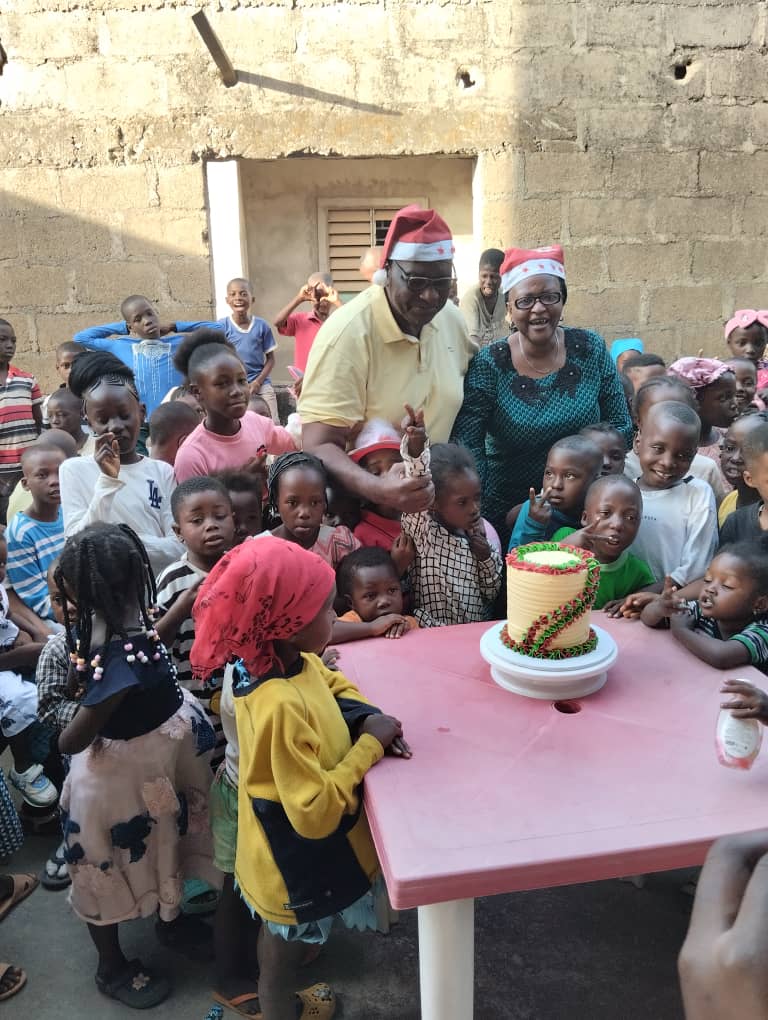
Reaching people where they are has always been at the heart of effective mission work. In many parts of the world—especially across low-income regions—geographical barriers, poor infrastructure, and limited access to formal institutions keep entire communities isolated from opportunities that could significantly improve their well-being. This is where mobile outreach becomes a powerful tool for sustainable transformation. Through the Moving Mission Focus (MMF) arm of OOA Foundation, mobile missions are designed to deliver hope, support, and empowerment directly to the doorstep of underserved populations.
Mobile outreach programs do not wait for people to come—they go. They break through physical limitations by bringing essential services and spiritual support into the heart of communities that need them most. These missions function as mobile units that may include teaching teams, welfare support, health awareness ambassadors, spiritual counselors, or development facilitators, depending on the needs of each location. The genius of mobile outreach lies in its flexibility and responsiveness. Unlike fixed structures, MMF programs can quickly adapt to emerging needs, cultural contexts, and community realities.
In many rural settlements, one of the biggest challenges is access. Roads are often rough, transport is limited, and services like healthcare, education, and social support may be miles away. This distance becomes a silent barrier that keeps people disconnected from growth opportunities. MMF confronts this barrier by bringing the mission, the message, and the support directly to them. Families who have never experienced organized community programs find themselves included. Local leaders who struggle to mobilize support find partners walking alongside them. Children and adults who rarely receive structured learning or empowerment activities suddenly experience a new kind of engagement that restores dignity and hope.
Another layer of transformation in mobile outreach comes from relationship-building. When mission teams arrive physically—often traveling long distances—they communicate something powerful: “You matter. Your community matters. Your growth matters.” This alone can shift the emotional climate of an entire region. People open their doors; hearts become more receptive; trust is built. Through this trust, deeper, more sustainable impact becomes possible. Communities come alive not just because they were visited, but because they were genuinely seen.
But mobile outreach is not just about presence—it is about partnership. Effective transformation requires collaboration between community stakeholders, churches, mission organizations, and volunteers. MMF deeply emphasizes partnership because it ensures that interventions are not imposed from outside but are co-created with the people themselves. When communities participate in identifying their needs, planning sessions, and implementing solutions, the mission becomes theirs. They develop ownership, and ownership leads to sustainability.
Partnership also brings together diverse strengths. Local leaders understand their people. Mission volunteers bring expertise and passion. Churches mobilize spiritual support. Donors and collaborators contribute resources. When all these forces converge, the result is a holistic outreach that speaks to the spiritual, emotional, social, and sometimes even economic needs of the people.
Consider a community that lacks basic learning opportunities for children. Through MMF, a mobile education and discipleship team can organize temporary learning stations, distribute simple educational materials, and teach foundational literacy or moral instruction rooted in Christian values. Within days, children who were previously left out of structured learning begin to participate. Parents who had no access to mentorship or support are empowered. Local volunteers receive training. A simple mobile intervention can spark long-term community progress.
In many mobile outreach trips, practical support is also offered. This may include welfare packages, counseling, spiritual encouragement, empowerment sessions, hygiene education, and sometimes referrals to partner organizations for specialized help. These touchpoints create a ripple effect. A mother who learns a new skill or receives guidance becomes more confident. A teenager who participates in youth engagement activities becomes inspired. Elders who experience community visits feel valued and connected again.
The impact of mobile missions is difficult to quantify in numbers alone because much of it is deeply human. It is seen in the smile of a child hearing a Bible story for the first time, in the relief of a parent who receives support, in the gratitude of a community that feels remembered. These moments form the foundation of long-term transformation.
A significant advantage of mobile outreach is the ability to identify new mission fields and assess different communities firsthand. It allows mission teams to observe conditions, understand lifestyles, and appreciate local strengths and needs. This kind of real-time assessment leads to better planning and more customized interventions. It also uncovers hidden opportunities—areas where small investments can yield big impact.
MMF also contributes to leadership development. When mobile missions visit communities, they often train local volunteers and encourage them to take active roles in the programs. This helps cultivate grassroots leaders who continue the work long after the outreach team has left. Leadership empowerment strengthens the spiritual and social fabric of the community, ensuring that the transformation is not temporary.
Beyond spiritual engagement, mobile outreach also fosters community unity. People gather in open spaces, schools, or church compounds to participate in activities together. Through conversations, games, teaching sessions, and shared experiences, barriers between individuals begin to fall. Families who rarely interact come together. Youth who may feel disconnected gain a sense of belonging. Unity grows, and a unified community is a transformed community.
In today’s world, where mission fields are more dynamic than ever, mobility is essential. Traditional static mission structures, though important, cannot reach every corner. But a mission on wheels—a mission that moves with compassion and purpose—can go farther, faster, and deeper. Mobile missions represent the future of community transformation, especially in regions where access is limited or infrastructure is developing.
As OOA Foundation continues expanding its Moving Mission Focus (MMF) initiatives, the goal remains clear: to bring the love of Christ, practical support, and sustainable help to communities regardless of distance or difficulty. Through collaboration, compassion, and consistency, MMF stands as a testament that missions are not defined by buildings but by people willing to go where others cannot.
Ultimately, the transformation brought by mobile outreach is measured not only in programs delivered but in lives touched. It is seen in restored hope, renewed faith, empowered families, and strengthened systems. Communities evolve when someone cares enough to step into their world. And through MMF, OOA Foundation continues to do exactly that—one community at a time, one journey at a time, one soul at a time.
Mobile outreach is more than a program. It is a movement. A commitment. A call to action. And through it, entire communities are being transformed—physically, emotionally, and spiritually.